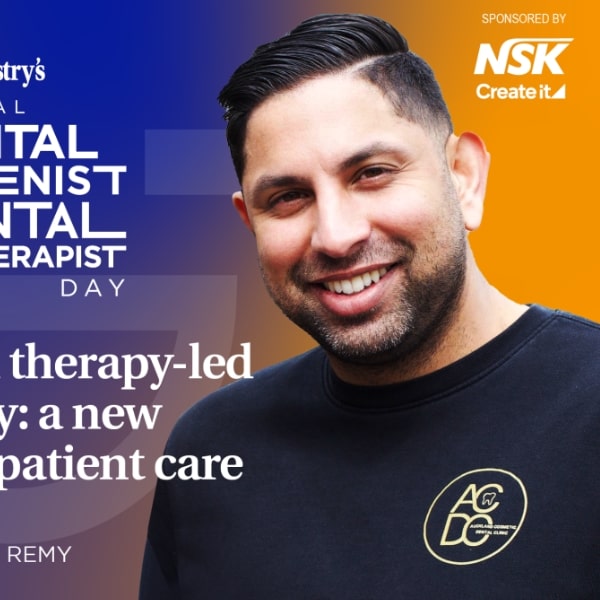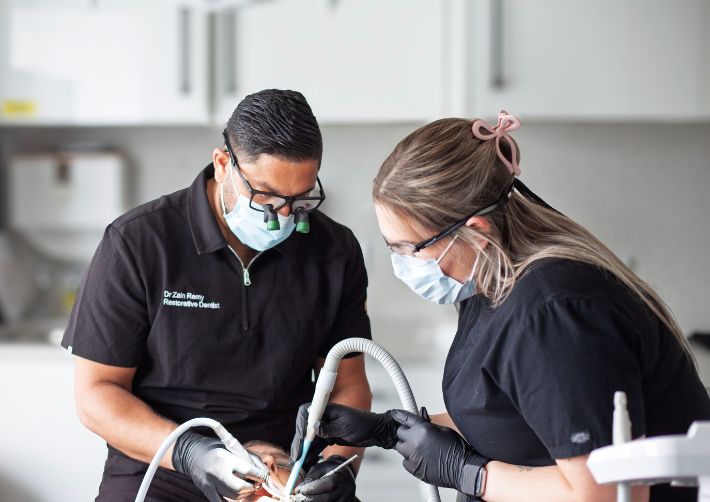
This is evident from our dental hygiene and therapy-led model, where direct access using a dental directive in collaboration with our dental hygienists and therapists has been implemented.
Our hygiene and therapy teams work together to lead their clinics. The hygienists carry out hygiene appointments following the full BSP guidelines as well as cosmetic whitening under the prescription of dentists. Our dental therapists ensure that patients are clinically stable, with emphasis on high-quality general dentistry. This involves carrying out dental health checks, including oral cancer screening, appropriate X-rays and implementing our traffic light system on every tooth to form a complete diagnosis.
There is a whole support system in place with dedicated referral slots within the dentist’s diaries that the dental therapists can use if a treatment is outside their clinical scope or comfort zone. Each dental therapist has been encouraged to take appropriate clinical imagery for dental records, which can also be presented during training days to the whole clinical team for open discussions.
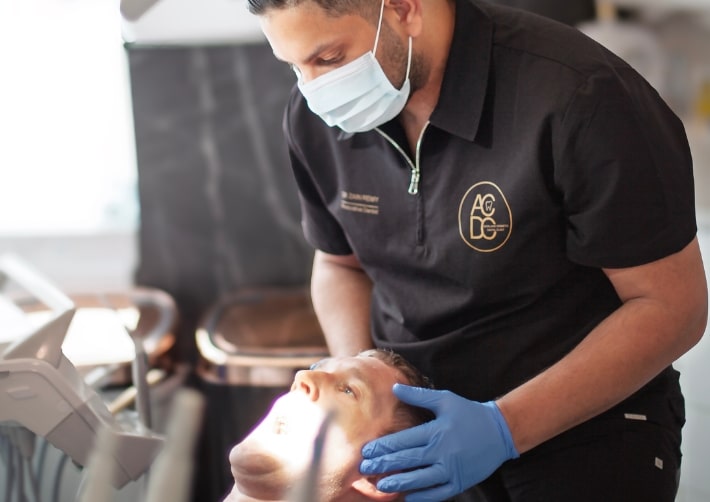
I’ve worked in several practices before I bought my own to create this vision. I found that time was a massive factor in the success rate for favourable treatments and outcomes for all dental professionals. I have never agreed with the notion that speed equals success. There is some overlap between working in confined spaces and intricate attention to detail with other medical professions. A surgeon would never think to rush an operation, so why would you rush dental treatments in a confined space on a small tooth?
Speaking to many dental hygienists and dental therapists, there is a common theme of patient treatments being squeezed into an already crammed diary. I do not understand that, as a dentist, if it takes one hour to do a composite filling, why would it be fair to give a shorter time slot for a dental therapist to carry out the same treatment?
One of the ways I support dental hygienists and therapists is by employing them directly. This helps build trust and keeps me accountable for their courses, as well as investing time into each clinician to help them fulfil their true potential. As a result, clinicians have a high level of confidence when treating patients due to the support system in place.
When it comes to possible treatment failure, which can happen to the best of us even after prior planning, we have developed a holistic learning approach to understand the failures and ensure that the clinicians are in a safe space to discuss, learn and reflect.

Of course, there have been barriers to patients accepting this alternative approach, and it has taken dedication from the entire dental team to explain the value of these clinicians to our patients. While this has been challenging, the newfound acceptance has been achieved by educating patients through letters, social media, and in-person conversations.
Face-to-face interactions have been the most powerful source of communication for us. We recently held an open day and welcomed our patients into the clinic to meet our team. The day was a massive success, with many patients now understanding the value of seeing dental hygienists and dental therapists for their routine maintenance.
This model may not be suitable for every dental practice, as it requires trust, time, effort, and a dedicated team to empower our hygienists and dental therapists. These clinicians face their barriers with one I recall making the rounds on social media. A meme from a press conference by Prime Minister Rishi Sunak, who forgot to mention ‘dental’ in front of therapist. This may have been a running joke, but it does impact the general public’s perception of dental therapists.
Dental therapists need a powerful voice, and it’s the responsibility of the whole dental profession to provide this. Smile-Fast have already recognised the worth of dental therapists by asking them to lead aspects of their direct course. This is a concept I fully support, and in the future, I plan to offer training academies from our clinic led by our hygiene and dental therapy team.

My observation within our profession is that while the majority of what we do is general dentistry, there is a resistance to referring to a dental hygienist or dental therapist. My advice to all young dentists is that you are never too young in your career to develop or advance your clinical skills as soon as you qualify. By developing your skills in this manner, you will recognise the value of collaborating actively with dental hygienists and therapists in a team approach.
To all dental hygienists and therapists, if a dental practice is not providing you the support and time for treatments, and you feel undervalued, raise this! If it continues, move on to a dental practice that will embrace you. Creating a clinical portfolio will make you a powerful candidate, not only to dental practices, but most importantly, to your patients!
I believe that the government, NHS and dental practices are missing a valuable trick and are too fixated on dentists providing general dentistry. Who knows, it could be the hygienists and dental therapists who save the profession!
Back to blogs
Enjoy £125 off our teeth straightening package and benefit from extended hours, including late nights until 7:30pm and Saturday appointments from September.
Book an AppointmentFollow Auckland Cosmetic Dental Clinic on Social Media!